The AI models are good enough. There, I said it. The bottleneck isn’t the model anymore – it’s how you use it.
I’ve been dorking around with my dot-agents setup for a while now. It’s my personal configuration for AI coding agents – skills, security rules, workflow protocols – all the stuff that makes Claude Code actually work the way I want it to. I just pushed a big update and I want to talk about why.
What Changed
Two things happened almost at once.
First, I merged in a bunch of ideas from Jesse Vincent’s superpowers project. Superpowers is a structured skills framework for coding agents – think test-driven development workflows, systematic debugging, parallel subagent dispatch, the works. It’s opinionated about process in exactly the way I like: tests before code, evidence over guesswork, structured plans over “let me just start typing.”
Second, I made dot-agents flexible enough to support Mario Zechner’s pi coding agent. Pi is a minimal, extensible terminal-based coding assistant that takes a different approach – it gives you a clean harness with basic tools (read, write, edit, bash) and lets you build everything else through extensions and skills. It’s deliberately not trying to be Claude Code. It’s trying to be the thing you can shape into whatever you need.
So now dot-agents works across both. Same skills, same security rules, same workflow discipline – different underlying agents.
But the pointy end of the stick has moved. It’s not about the models anymore.
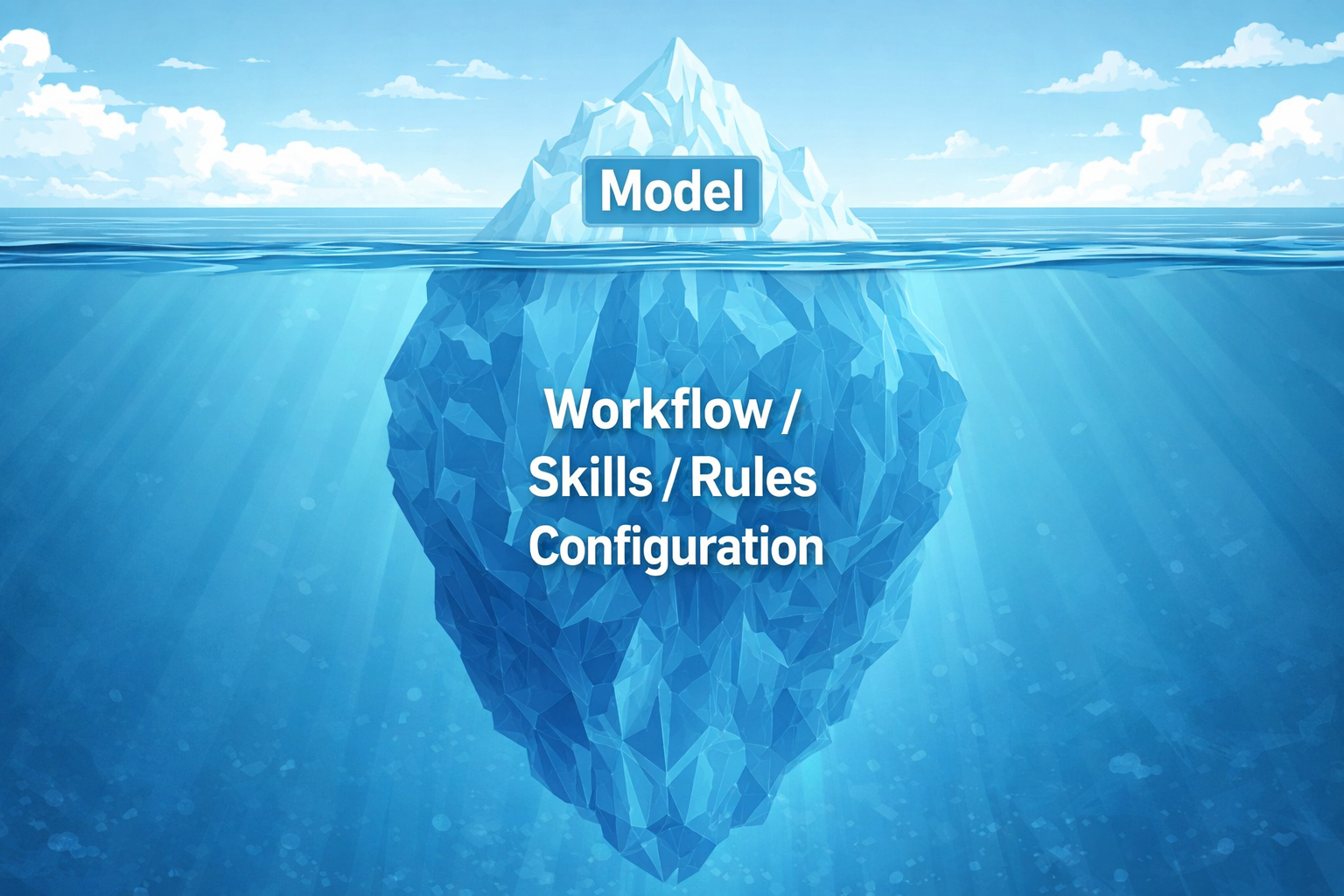
The model is the commodity. The workflow is the edge.
The Real Point
The tooling is changing for the better, and it’s changing FAST.
Every couple of weeks there’s a new agent framework, a new skills system, a new way to configure how these models work. Superpowers didn’t exist six months ago. Pi is brand new. The pace is genuinely hard to keep up with.
And that creates a real problem. We all have day jobs. We all have finite hours. How do you find time to evaluate all of this? I don’t have a great answer except to say: you have to make time. The developers who are investing in their tooling and workflow right now are going to have a massive advantage. This is the new arms race, and it’s no longer about who has the best model.
Tooling > Models
This is the part that surprises people, but it shouldn’t.
The models are already good enough for the vast majority of coding tasks. Claude, GPT, Gemini – they can all write decent code. The difference between them matters less every day. What matters MORE every day is:
- How you structure the work – do you have a plan? Are you breaking things into phases? Are you running tests between each step?
- What rules you enforce – does your agent know your security requirements? Your code style? Your git workflow?
- What skills you’ve loaded – can your agent do a proper code review? Can it debug systematically instead of just guessing?
- How portable your setup is – are you locked into one vendor, or can you move your workflow to the next best thing?
This is why I built dot-agents as a portable configuration. The model is the commodity. That’s crazy but that’s where we are. Sure, some are better than others in some things. Whatever. The workflow is the differentiator.
Think about it this way: a brilliant developer with a default-configured AI agent will get beaten by a good developer with a well-tuned agent workflow. Every time. The agent that knows to run tests after every phase, that loads security rules contextually, that follows a structured debugging protocol instead of randomly changing code – that agent produces better results regardless of which model is underneath.
It’s like a powersaw verses a hand saw. Only on steroids.
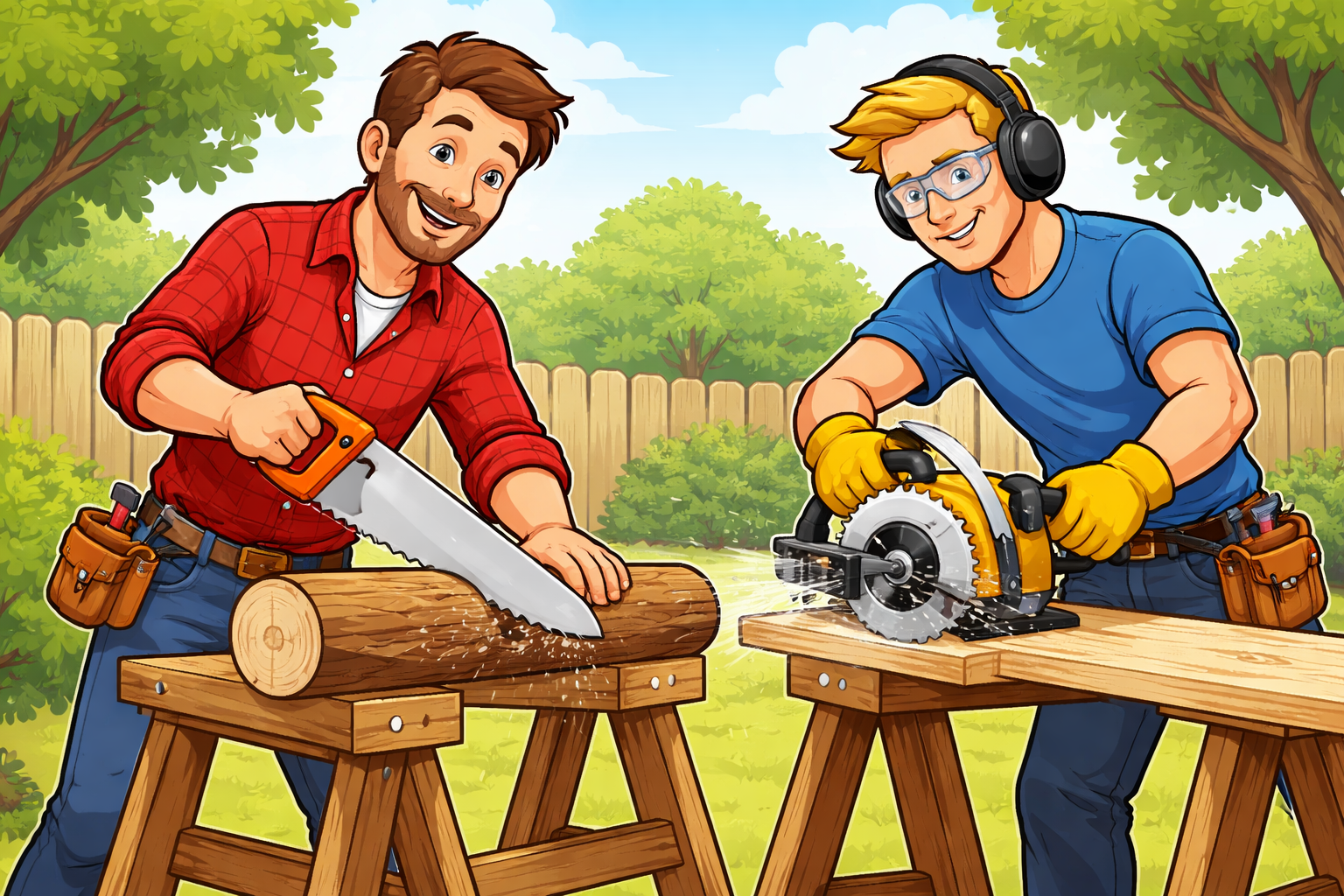
Tooling makes all the difference.
The Speed Problem
Here’s the thing that keeps me up at night. The tooling is improving so fast that evaluating it is becoming a full-time job. I just finished integrating superpowers and adding pi support, and I already know there will be three new things to look at next week. And I haven’t even had time to really build anything with pi yet!
This is a genuinely new problem. In the old world, you picked your IDE, your language, your framework, and you were set for at least a few years. Maybe you’d upgrade once a quarter if things were moving fast. Now? The meta is shifting every few weeks. Skills frameworks, agent harnesses, prompt engineering patterns, MCP servers – the surface area of “stuff you should probably know about” is enormous.
I don’t have a silver bullet for this. What I’m doing is:
- Keeping my configuration portable and modular so I can swap pieces without rebuilding everything
- Investing time every week – not every month, every WEEK – in evaluating new tools
- Sharing what I find so others don’t have to start from zero
Conclusion
We’re in an era where the models are table stakes. They’re good. They’re going to keep getting better. But the real leverage is in how you configure, orchestrate, and constrain them.
The workflow around the model matters more than the model itself.
If you’re still using a default-configured AI coding agent with no skills, no security rules, and no structured workflow… you’re leaving most of the value on the table.
Check out dot-agents if you want a starting point. Fork it, modify it, make it yours. And if you find something better, tell me about it – I’m always looking.
The tools are changing fast. Keep up or get left behind.